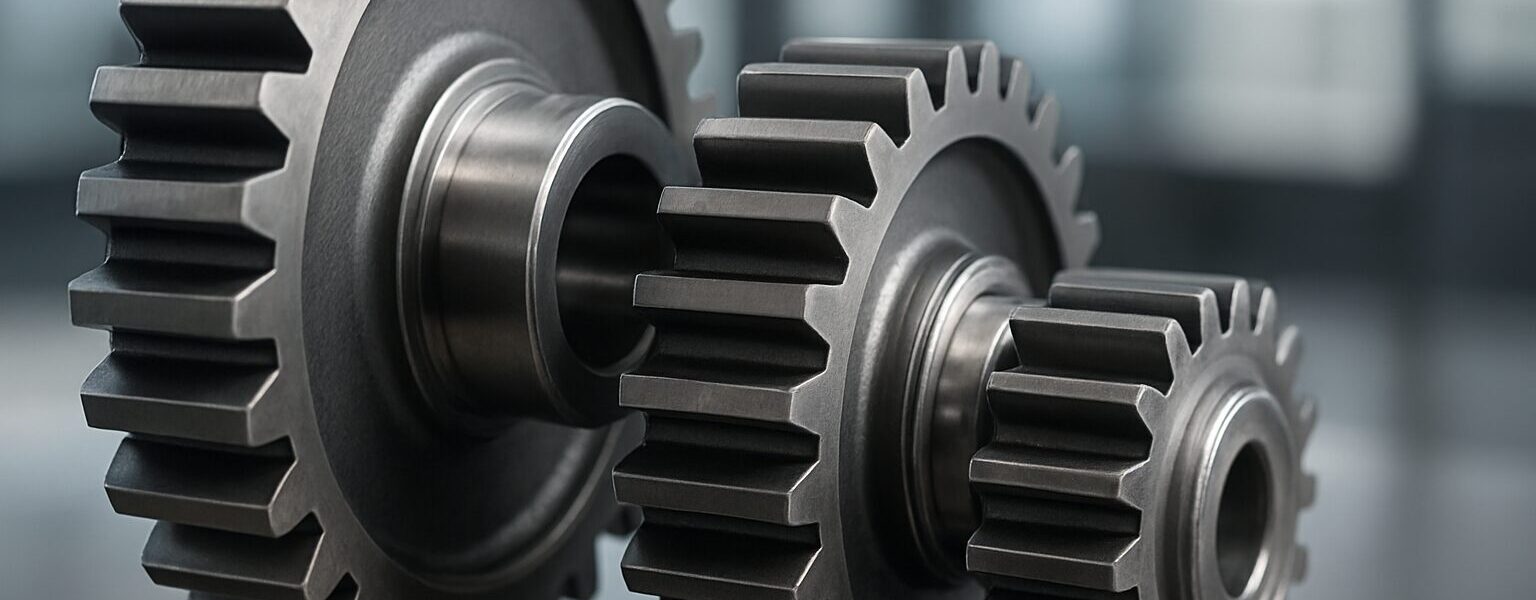

What makes precision engineering important in modern manufacturing?
Precision engineering has become a key factor in industries where accuracy, reliability, and efficiency define success. Modern manufacturing depends on advanced methods that reduce errors, improve consistency, and support long-term performance. Industry reports show that companies investing in high-accuracy production methods can reduce material waste by up to 20% while improving operational efficiency. This focus on measurable improvement explains why Michael Wiese emphasizes detailed engineering practices that combine technical expertise with innovative manufacturing strategies. By focusing on exact specifications and quality-driven processes, precision engineering helps businesses create solutions that meet demanding industry requirements.
Why does accuracy play a major role in engineering solutions?
Accuracy is one of the strongest foundations of successful engineering projects. Even minor variations in measurements can influence product quality, production timelines, and overall costs. According to manufacturing studies, organizations that prioritize precision-based systems often experience improved productivity rates and fewer production challenges. Precision engineering allows manufacturers to develop components and solutions that perform consistently under different conditions. Through careful planning, advanced tools, and continuous evaluation, engineers can maintain high standards while adapting to changing market expectations.
How does innovation support precision manufacturing?
Innovation and precision engineering work together to create better manufacturing outcomes. New technologies, improved design methods, and advanced production techniques allow engineers to achieve greater levels of accuracy than traditional approaches. Research across the manufacturing sector indicates that automation and digital engineering tools can increase production efficiency by more than 30% in certain applications. These developments highlight the importance of combining experience with modern approaches. The work associated with Michael Wiese reflects a commitment to creating manufacturing solutions where innovation, accuracy, and practical application are closely connected.
What role does quality control have in engineering processes?
Quality control ensures that every stage of manufacturing follows established standards and performance expectations. A strong quality management approach includes testing, inspection, documentation, and continuous improvement. Statistics from industrial operations show that effective quality control systems can significantly lower defect rates and improve customer confidence. Engineers who focus on precision understand that quality is not only about the final product but also about maintaining reliable processes throughout development. This approach supports sustainable growth and helps organizations achieve consistent results.
How does precision engineering improve business performance?
Precision engineering creates value by helping companies operate more efficiently and deliver dependable solutions. When production systems are carefully designed, businesses can reduce unnecessary expenses, optimize resources, and improve overall productivity. Surveys within manufacturing sectors reveal that companies with structured engineering processes often achieve stronger operational results compared to businesses relying on less organized methods. These advantages demonstrate why precision-focused strategies remain essential for competitive industries.
Why is experience important in developing manufacturing solutions?
Experience allows engineers to understand challenges, evaluate possibilities, and create practical solutions that meet specific requirements. Technical knowledge combined with problem-solving skills helps transform complex ideas into effective manufacturing processes. The ability to balance creativity with accuracy is a valuable quality in engineering leadership. A strong focus on precision ensures that solutions are designed not only for current needs but also for future demands.
What is the future of precision engineering?
The future of manufacturing will continue to depend on accuracy, innovation, and advanced engineering methods. As industries become more technology-driven, precision will remain a major factor in creating efficient and reliable solutions. Professionals who understand the importance of detailed engineering will continue to influence the direction of modern manufacturing. The vision behind Michael Wiese represents how dedication to precision, technical excellence, and continuous improvement can shape successful manufacturing advancements. By combining proven expertise with evolving technologies, precision engineering will continue to support stronger and smarter industrial development.