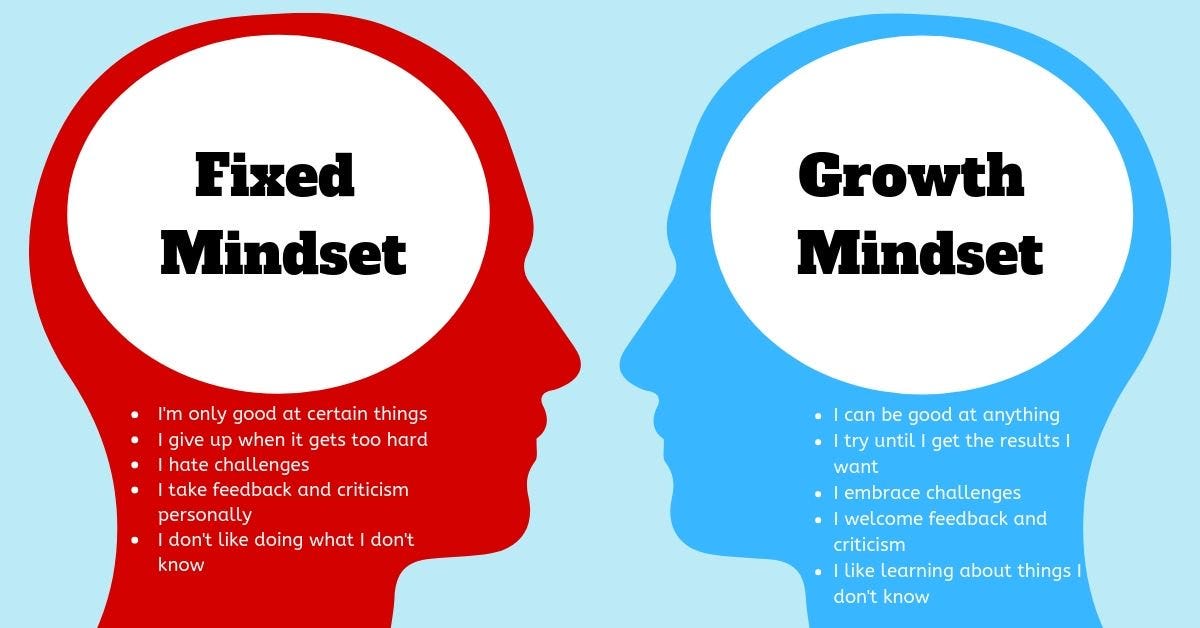

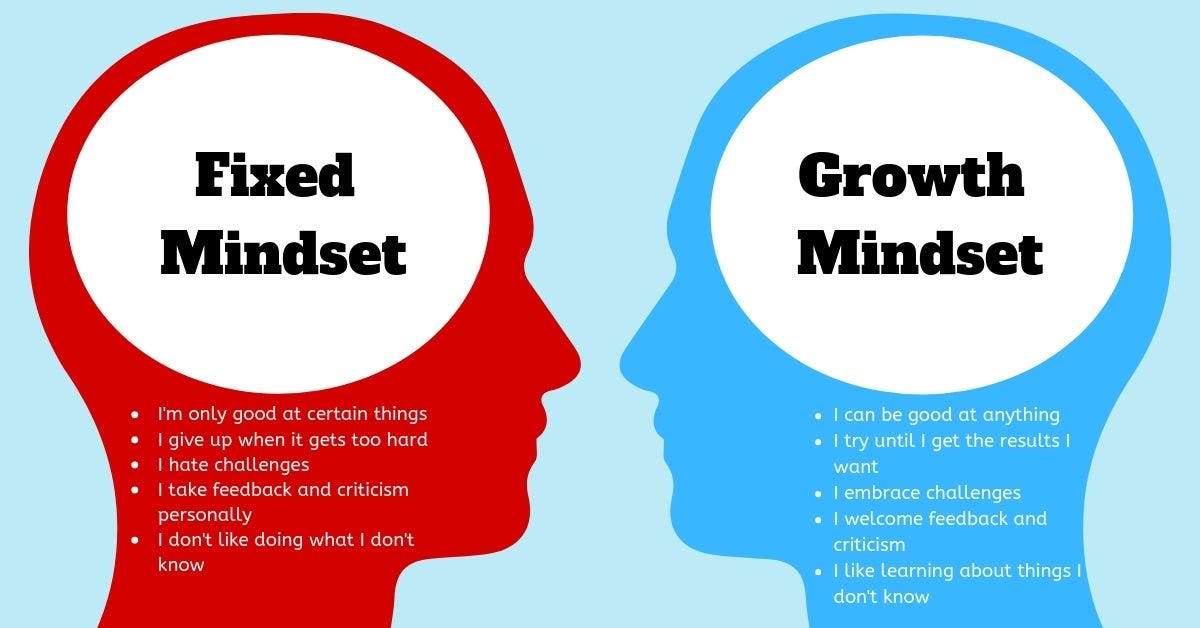
Success in personal and professional life often depends on how individuals respond to challenges, learning opportunities, and change. People who continue improving over time usually share one important quality: the belief that abilities can develop through effort and persistence. Understanding what is growth mindset can help individuals create a more positive approach toward learning, career development, relationships, and long-term success.
In today’s fast-moving world, employers and professionals increasingly value adaptability, continuous learning, and resilience. Positive thinking combined with a willingness to improve can create stronger confidence and better performance in nearly every area of life. Individuals who focus on growth are often more motivated to pursue goals, overcome obstacles, and maintain a healthy outlook during difficult situations.
Why Is Positive Thinking Important for Personal Development?
Positive thinking influences how individuals approach opportunities and challenges. A constructive mindset encourages people to focus on possibilities instead of limitations. This attitude often leads to better emotional balance, stronger motivation, and improved confidence.
People who maintain a positive perspective are usually more willing to try new experiences and develop new skills. In personal development, this creates continuous improvement because individuals remain open to learning. Positive thinking also supports emotional resilience, helping people remain calm and focused during stressful situations.
How Does a Learning Attitude Improve Professional Success?
Professionals who embrace learning often adapt more effectively to workplace changes and industry developments. Organizations value employees who are willing to improve their knowledge and contribute fresh ideas. A learning-focused approach helps individuals remain competitive and productive in evolving industries.
Continuous improvement also builds professional confidence. Employees who regularly develop new skills are more likely to handle responsibilities efficiently and pursue leadership opportunities. This willingness to learn creates long-term career growth and increases workplace value.
Can Challenges Create Better Opportunities?
Challenges often become valuable learning experiences. Individuals who approach obstacles positively usually develop stronger problem-solving skills and greater resilience. Difficult situations encourage creativity because they require people to think differently and discover effective solutions.
Professionals who accept challenges are frequently recognized for their initiative and determination. Taking on demanding tasks can improve confidence, expand abilities, and create opportunities for career advancement. Challenges often reveal strengths that individuals may not have recognized before.
Why Is Adaptability Considered a Powerful Skill?
Adaptability allows individuals to respond effectively to change. Modern workplaces evolve quickly due to technology, customer expectations, and global competition. Professionals who adjust smoothly to these changes are often more successful in maintaining productivity and performance.
Adaptable individuals remain open to learning and exploring new methods. This flexibility supports innovation and encourages professional growth. In personal life, adaptability helps people manage unexpected situations calmly while maintaining a positive outlook.
How Does Confidence Support Growth and Achievement?
Confidence encourages individuals to pursue opportunities and express ideas without excessive fear of failure. People who believe in their ability to improve are often more willing to take initiative and participate actively in professional and personal environments.
Confidence also improves communication and decision-making. Professionals who trust their abilities generally contribute more effectively during meetings, presentations, and teamwork. As confidence grows, individuals become more comfortable handling larger responsibilities and pursuing ambitious goals.
What Role Does Self-Improvement Play in Everyday Life?
Self-improvement helps individuals become more productive, organized, and emotionally balanced. Daily efforts to improve habits, communication, and knowledge create meaningful progress over time. Small positive changes often lead to significant long-term results.
People focused on self-improvement usually maintain stronger motivation because they recognize their progress. Whether improving professional skills, physical health, or emotional well-being, continuous development creates greater satisfaction and purpose in life.
Why Do Successful Individuals Value Continuous Learning?
Continuous learning supports both career growth and personal fulfillment. Industries constantly change, making updated knowledge and skills essential for long-term success. Professionals who continue learning often remain competitive and adaptable in challenging environments.
Learning also strengthens creativity and problem-solving abilities. Exposure to new ideas and experiences encourages individuals to think more effectively and make informed decisions. This commitment to development often leads to stronger performance and increased confidence.
How Can Positive Habits Improve Long-Term Results?
Positive habits shape daily behavior and long-term outcomes. Consistent routines such as reading, planning, skill development, and effective communication contribute to personal and professional growth. These habits gradually improve productivity and overall well-being.
Strong habits also reduce stress by creating structure and consistency. Individuals who maintain organized routines often feel more prepared and focused. Over time, these small actions produce meaningful achievements and lasting improvement.
Why Is Emotional Intelligence Important for Growth?
Emotional intelligence improves the ability to understand emotions, communicate effectively, and maintain healthy relationships. Individuals with strong emotional awareness often handle conflicts calmly and create positive interactions in personal and professional environments.
Workplace studies frequently emphasize the value of emotional intelligence in leadership and teamwork. Professionals who demonstrate empathy and communication skills often build stronger professional networks and contribute positively to workplace culture.
Can Goal Setting Increase Motivation?
Clear goals provide direction and encourage consistent effort. Individuals who set achievable objectives often remain more focused and productive because they understand what they want to accomplish. Goals also create a sense of purpose and progress.
Short-term goals build momentum, while long-term goals encourage dedication and persistence. Tracking achievements helps individuals recognize improvement, increasing confidence and motivation to continue growing.
How Does a Positive Workplace Culture Support Growth?
A supportive workplace environment encourages collaboration, creativity, and professional development. Employees perform better when they feel valued and motivated to improve their abilities. Positive workplace cultures often increase employee satisfaction and productivity.
Organizations that encourage learning and teamwork usually experience stronger innovation and communication. Employees become more willing to share ideas and contribute to collective success when they feel supported and respected.
Why Is Resilience Essential for Long-Term Achievement?
Resilience helps individuals recover quickly from setbacks and continue moving toward goals. Instead of becoming discouraged by difficulties, resilient individuals focus on learning from experiences and improving future performance.
This quality is especially valuable in professional environments where change and pressure are common. Resilient professionals maintain motivation and confidence even during demanding situations. Their ability to stay positive often inspires others and strengthens teamwork.
How Can Individuals Unlock Their Full Potential?
Unlocking potential requires consistent effort, learning, and self-belief. Individuals who remain open to improvement often discover abilities they did not initially recognize. Growth occurs when people challenge themselves, develop positive habits, and maintain confidence in their progress.
Personal and professional success also depend on patience and persistence. Meaningful improvement takes time, but small daily efforts create significant long-term results. Individuals who focus on learning and positivity often experience greater fulfillment and achievement.
Conclusion
A positive and growth-focused mindset creates opportunities for success in every area of life. Individuals who embrace learning, adaptability, and self-improvement are better prepared to achieve meaningful goals and overcome challenges with confidence.
Continuous learning, resilience, confidence, and emotional intelligence all contribute to stronger personal and professional development. By maintaining positive habits and focusing on progress, individuals can unlock greater potential, improve relationships, and create lasting success throughout their lives.