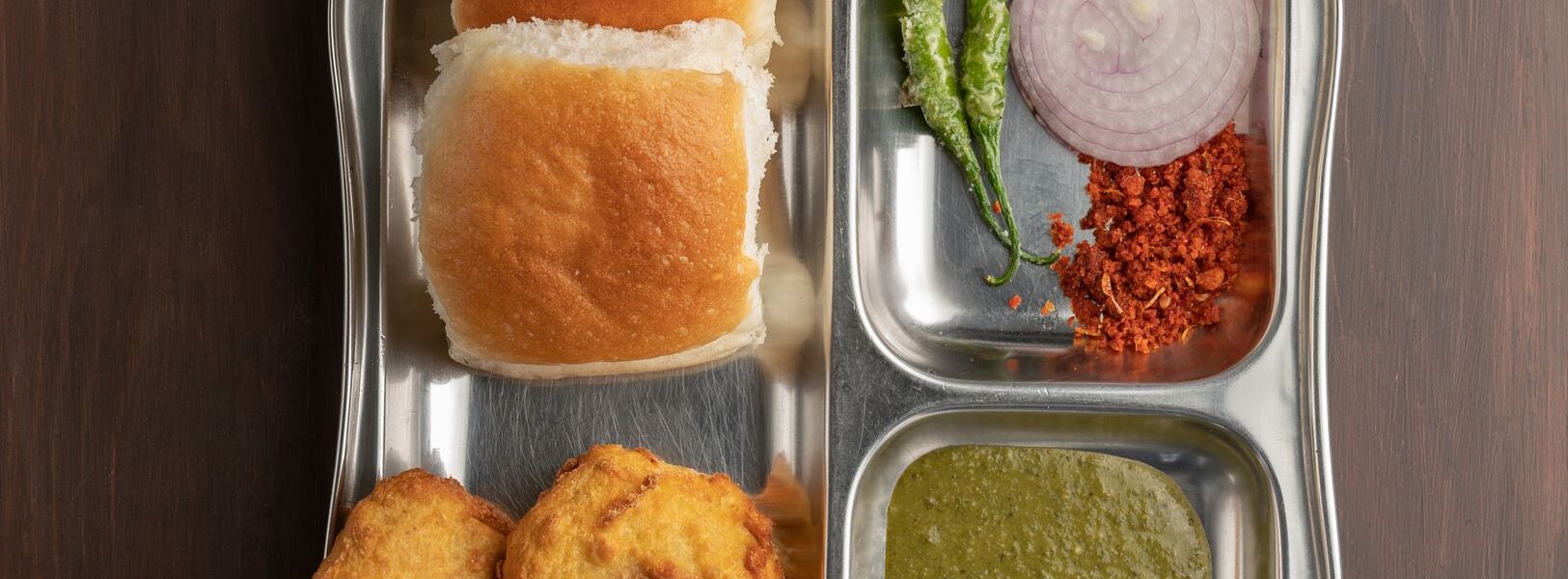

Vada Pav in schools has become a trending topic after a kid’s heartfelt request went viral. The response from Tukaram Mundhe has sparked discussions on school food options.
The Viral Request for Vada Pav
In a heartwarming moment that has captured the attention of social media, a child recently approached Tukaram Mundhe, a prominent education officer, with a simple yet poignant request: to bring back Vada Pav in schools. This viral interaction highlights the nostalgia and cultural significance of this beloved street food, which holds a special place in the hearts of many.
The child, with genuine enthusiasm, expressed how Vada Pav not only satisfies hunger but also connects students to their roots and traditions. This plea resonated with many parents and educators, sparking a conversation about the importance of incorporating traditional foods into school lunches.
Responses to the video have been overwhelmingly positive, with numerous individuals sharing their own memories of enjoying Vada Pav during their school days. Many believe that reintroducing Vada Pav in schools could encourage a sense of community and pride among students.
- Promotes Cultural Awareness: Serving traditional foods can educate students about their heritage.
- Encourages Healthy Choices: Vada Pav can be prepared in a healthier manner.
- Fosters School Spirit: Shared meals can create a sense of belonging.
The conversation around Vada Pav in schools continues to grow, as more voices join in the call for its revival.
Community Reactions to the Video
Since the release of the video featuring a young student requesting the return of Vada Pav in schools, community reactions have been overwhelmingly positive. Many parents and educators have taken to social media to express their support for reintroducing this beloved snack into school canteens.
Comments on various platforms reflect nostalgia and a desire to preserve cultural traditions. One parent noted, “Vada Pav was a staple in my school days, and it brings back so many memories. It’s a must-have for our children!” Others echoed similar sentiments, emphasizing not just the taste but also the cultural significance of the dish.
Local food enthusiasts have also joined the conversation, suggesting that schools could host events where students learn about the history of Vada Pav and its place in Mumbai’s food culture. This could foster a sense of community and pride among the students.
Educators are considering the possibility of integrating local cuisine into the curriculum, which could reinforce students’ connection to their heritage. As the discussion continues to gain traction, it seems that the call for Vada Pav in schools has sparked a movement that resonates deeply within the community.
Importance of Traditional Snacks in Schools
In recent years, there has been a growing emphasis on the importance of traditional snacks in schools, and the recent viral request for Vada Pav has brought this discussion to the forefront. Traditional snacks not only provide a taste of cultural heritage but also offer nutritional benefits that can enhance students’ overall well-being.
These snacks can serve as a bridge between generations, allowing children to experience flavors that their parents and grandparents cherished. Incorporating traditional items like Vada Pav into school menus helps to instill a sense of pride and identity among students.
Moreover, introducing such snacks can have several benefits:
- Encouraging Healthy Eating: Traditional snacks are often made with wholesome ingredients, promoting better nutrition.
- Supporting Local Vendors: Schools can source these snacks from local eateries, boosting community businesses.
- Fostering Cultural Awareness: Offering traditional food can help students appreciate their cultural roots and diversity.
Incorporating Vada Pav and other traditional foods in schools is a step towards preserving culinary heritage while promoting healthier eating habits among young students.
Tukaram Mundhe’s Response Explained
Tukaram Mundhe, the Municipal Commissioner of Nashik, responded to a viral video featuring a child’s heartfelt request to reintroduce Vada Pav in schools. His reply resonated with many, emphasizing the significance of traditional snacks in nurturing cultural identity among students.
In his response, Mundhe acknowledged the child’s enthusiasm and expressed his support for reintroducing Vada Pav as a staple in school canteens. He articulated that such traditional snacks not only provide nourishment but also foster a sense of belonging and nostalgia among students. Mundhe stated, “It’s essential to keep our culinary heritage alive, especially in schools where children form their taste preferences.”
This initiative aligns with a broader movement to integrate traditional foods into educational environments, promoting cultural awareness and healthier eating habits. Parents and educators have echoed Mundhe’s sentiments, highlighting the need for schools to offer meals that reflect local culture and history.
As discussions continue, the community remains hopeful that Vada Pav will soon make a triumphant return to school menus, serving as a delicious reminder of their heritage and a bridge to the future for young generations.
How School Meals Impact Children’s Health
The growing conversation around Vada Pav in schools highlights the significant role that school meals play in shaping children’s health. Nutritious meals not only provide essential energy but also influence students’ cognitive functions and overall well-being. As schools explore ways to incorporate traditional snacks like Vada Pav into their menus, it becomes crucial to consider their nutritional value.
Many experts agree that traditional foods can serve as a bridge between cultural heritage and healthy eating habits. When children enjoy meals that reflect their roots, it can foster a sense of belonging and pride. This connection may lead to better eating habits, as children are more likely to consume foods they recognize and appreciate.
Moreover, introducing Vada Pav into school lunches can encourage healthier choices among students. By balancing traditional flavors with nutritional content, schools can create meals that satisfy taste buds while promoting health. With the right approach, traditional snacks can be a vital part of a comprehensive nutritional strategy that supports children’s growth and learning.
Ultimately, the inclusion of Vada Pav in school meals may not only enhance children’s diets but also revitalize a sense of community and tradition within the educational environment.
The Cultural Significance of Vada Pav
Vada Pav, often referred to as the beloved street food of Mumbai, carries a rich cultural significance that extends beyond mere taste. Traditionally associated with the bustling streets of the city, this iconic snack has been a staple for generations, symbolizing not just nourishment but also a sense of community and nostalgia.
Incorporating Vada Pav in schools can serve as a bridge connecting children to their heritage. It offers an opportunity for students to appreciate local culinary traditions while enjoying a delicious meal. The act of sharing such a popular snack promotes social interaction among peers, helping to foster a sense of belonging.
Moreover, Vada Pav holds a unique place in the hearts of many, often evoking memories of childhood and familial gatherings. Its presence in school menus could spark conversations about cultural roots and regional pride, encouraging students to engage with their history.
With the rising trend of incorporating traditional snacks like Vada Pav in schools, educators and parents alike can work together to ensure that these cultural treasures are not lost. By doing so, they not only enrich the school’s food offerings but also help preserve the culinary heritage for future generations.
Future of Vada Pav in School Cafeterias
As discussions around the viral video continue, the future of Vada Pav in school cafeterias seems promising. Many educators and parents are advocating for a menu that not only includes modern dietary options but also celebrates traditional snacks. This movement is viewed as a way to reconnect students with their cultural heritage while promoting a sense of community within schools.
Schools across the region are exploring ways to incorporate Vada Pav into their meal plans, recognizing its popularity among students. Some institutions are even considering partnerships with local vendors to ensure authenticity and quality. “It’s not just about food; it’s about teaching kids where they come from,” shared a school administrator.
The introduction of Vada Pav in school cafeterias could lead to several benefits:
- Enhanced cultural awareness among students
- Support for local businesses and food producers
- Encouragement of healthier eating habits through traditional, home-cooked flavors
As schools look toward the future, the integration of Vada Pav into their menus could serve as a vital link to the rich culinary traditions that define the region.
Introducing Vada Pav in schools not only revives a beloved traditional snack but also fosters a sense of cultural identity among students. By incorporating Vada Pav in schools, we encourage children to appreciate their culinary heritage while enjoying a delicious meal.
Photo by Aditya Mara on Pexels
Where this came from
Related reading
Can Fin Homes Q2 Results: Proven Growth with 9.56% PAT Rise · Is Dr Reddy Stock the Best Investment After FDA Observations? · Tom Lee BitMine Ethereum: Worst Price Catalyst Impact