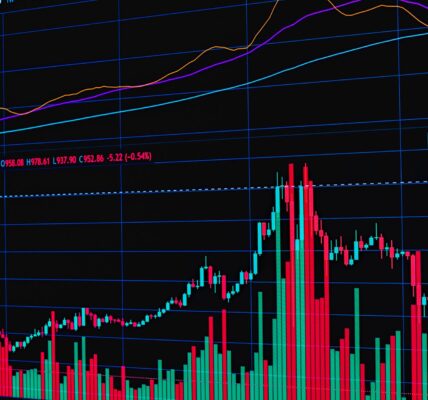
The stock market decline has been significant, with the Sensex slipping 353 points. This downturn raises questions about the future of investments in the market.
Current Market Overview
The recent stock market decline has raised concerns among investors as key indices faced significant losses. The Sensex slipped by 353 points, while the Nifty concluded the trading session near the 22,700 mark. This dip has been primarily attributed to a downturn in major sectors.
Several industries have been adversely affected, contributing to the overall market slump. Key sectors facing declines include:
- FMCG: Consumer goods companies are experiencing pressure due to rising costs.
- IT: Technology stocks have seen sell-offs amidst global uncertainties.
- Energy: Fluctuating oil prices have negatively impacted energy shares.
As investors assess the situation, many are left questioning whether this stock market decline represents a temporary setback or a more significant trend that could affect market stability in the long run.
Impact of FMCG Sector
The recent stock market decline has raised concerns among investors, particularly regarding the performance of the Fast-Moving Consumer Goods (FMCG) sector. Analysts point out that FMCG stocks, which are typically considered stable investments, have not been immune to the market’s volatility.
Several key factors are influencing this downturn:
- Inflationary Pressures: Rising costs of raw materials are squeezing profit margins.
- Consumer Sentiment: A decline in disposable income is leading to reduced spending on non-essential goods.
- Supply Chain Disruptions: Ongoing logistical challenges are affecting product availability.
As the stock market decline continues, investors in the FMCG sector are advised to remain vigilant and consider diversifying their portfolios to mitigate risks. The future performance of these stocks will be closely watched as economic conditions evolve.
IT Sector Performance
The recent stock market decline has raised concerns among investors, particularly within the IT sector. Major players in this industry have experienced significant downturns, reflecting broader market trends.
Key factors contributing to this performance include:
- Economic Uncertainty: Fluctuations in global economic conditions have prompted investors to reassess their portfolios.
- Rising Interest Rates: The impact of increasing rates has particularly affected tech stocks, leading to a sell-off.
- Reduced Client Spending: Many IT companies are reporting decreased budgets from clients, affecting their revenue forecasts.
As the stock market decline continues, analysts suggest that investors should remain cautious, closely monitoring the IT sector’s recovery prospects. The resilience of this sector will be crucial in determining the overall market trajectory in the coming months.
Energy Shares Decline
The recent stock market decline has been significantly influenced by the performance of energy shares, which have faced considerable pressure in recent trading sessions. Investors have shown growing concern over fluctuating oil prices and geopolitical tensions, prompting a sell-off in this sector.
As energy companies continue to report lower-than-expected earnings, the ripple effects have been felt across indices. Major players in the energy market have seen their stock prices drop, which has contributed to the overall decline in the market.
Analysts are urging caution as they assess the potential long-term implications of this trend. They emphasize that while the current downturn may present buying opportunities for some, the volatility in energy shares could pose risks for investors looking to stabilize their portfolios.
Key factors affecting the energy sector include:
- Global oil demand projections
- Supply chain disruptions
- Regulatory changes impacting production
Investor Reactions to Market Trends
Investor reactions to the recent stock market decline have been a mix of concern and cautious optimism. Many are feeling the pressure as major indices, including the Sensex and Nifty, have shown significant drops. This downturn has caused some investors to reassess their portfolios and investment strategies.
Notably, a survey conducted among retail investors revealed the following sentiments:
- Concern about future performance: 65% of participants expressed worry about potential further declines.
- Interest in defensive stocks: 50% indicated a shift towards more stable investments, such as utilities and healthcare.
- Long-term perspective: 40% remain confident in the market’s recovery, viewing this decline as a temporary setback.
As the stock market continues to fluctuate, investors are advised to stay informed and consider their options carefully.
Future Predictions for Nifty
As the stock market decline continues to raise concerns among investors, analysts are closely monitoring future predictions for the Nifty index. Several factors could influence its trajectory in the coming months.
- Economic Indicators: Analysts emphasize that upcoming economic reports will play a crucial role in shaping market sentiment.
- Global Trends: International market performance and geopolitical events may significantly impact the Nifty’s performance.
- Sectoral Performances: Continued struggles in key sectors such as FMCG and IT might lead to further volatility.
- Investor Sentiment: The mood among investors is likely to shift based on perceived opportunities and risks in the market.
While some experts remain optimistic about a potential rebound, others caution that the ongoing stock market decline could signal deeper issues that investors need to address in their portfolios.
Understanding Sensex Movements
The recent stock market decline has raised significant concerns among investors, particularly regarding the movements of the Sensex. Over the past week, the index experienced a notable slip of 353 points, closing at near 22,700. This downward trend reflects broader market uncertainties, influenced by a variety of factors.
Analysts have pointed out several key drivers behind this decline:
- Global Economic Concerns: Ongoing geopolitical tensions and inflationary pressures have contributed to investor caution.
- Sector Performance: Significant declines in sectors such as FMCG, IT, and energy have weighed heavily on the overall index.
- Market Sentiment: A general feeling of apprehension among investors is leading to increased volatility.
As the market navigates these challenges, understanding the implications of Sensex movements becomes crucial for strategic investment decisions.
Advice for Investors
As the stock market decline continues to dominate headlines, investors are left wondering how to navigate these turbulent waters. Here are some key pieces of advice for those looking to protect their investments:
- Diversify Your Portfolio: Consider spreading your investments across various sectors to mitigate risks associated with specific industries.
- Stay Informed: Regularly update yourself on market trends and economic indicators to make informed decisions.
- Focus on Fundamentals: Invest in companies with strong fundamentals that can weather market fluctuations.
- Consider Long-Term Goals: Rather than reacting to short-term market movements, focus on your long-term investment strategy.
- Consult a Financial Advisor: Professional guidance can help tailor an investment strategy suited to your risk tolerance and financial goals.
By adhering to these strategies, investors can better navigate the ongoing stock market decline.
Where this came from
You might also like
EAAA India Alternatives IPO: Best Subscription Status Update · Crypto Up or Down Markets: Quick Guide to Polymarket’s Launch · Semiconductor startup funding: Proven ways to succeed