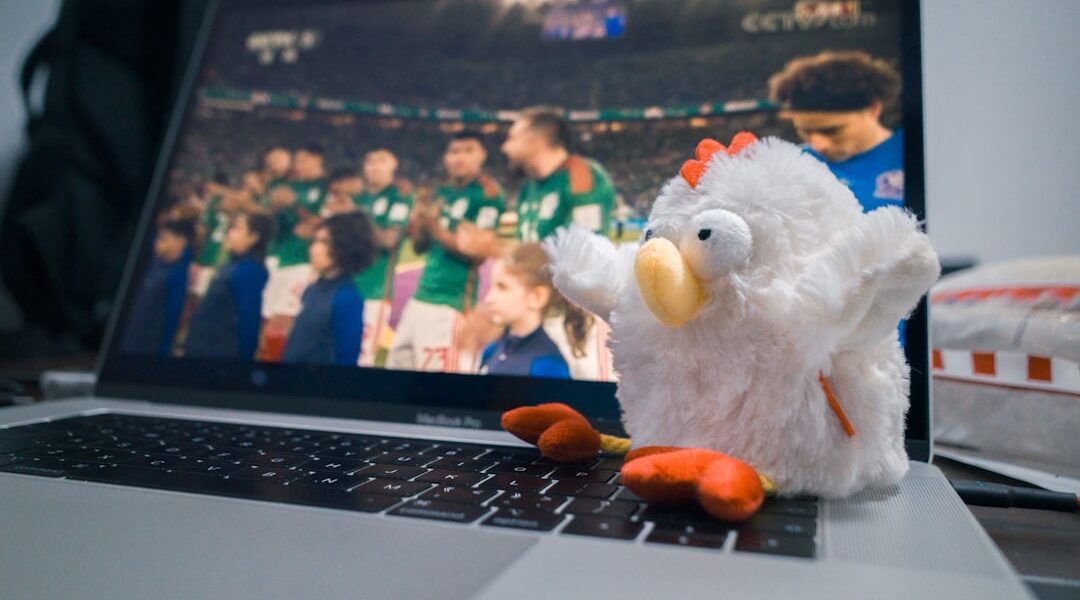

Live sports have always carried a certain electricity—the kind that makes you lean forward in your seat, hold your breath, and forget everything else happening around you. But for millions of fans, accessing that experience has become increasingly complicated. Between expensive cable packages, regional blackouts, and the growing fragmentation of streaming rights across multiple platforms, watching your favorite team has turned into a logistical puzzle.
That’s where Sportsurge enters the conversation. This platform has attracted significant attention from sports fans looking for a more straightforward way to watch live games, matches, and events online. Understanding what it offers, how it works, and what users should consider before using it is essential for anyone exploring their live sports viewing options.
What Does Sportsurge Actually Offer?
At its core, Sportsurge functions as a link aggregator for live sports streams. Rather than hosting video content directly, the platform compiles and organizes links to streams available across the web. Users can navigate to their sport of choice—basketball, soccer, football, MMA, hockey, and more—and find available streaming links organized by event.
The appeal is clear. Sports fans can locate streams for multiple events in one place without jumping between sites or digging through search results. The interface is relatively clean, the navigation is intuitive, and the breadth of sports covered is broad enough to attract fans from diverse backgrounds and interests.
Why Fans Are Searching for Alternatives to Traditional Broadcasts
The shift away from traditional cable has reshaped how people consume media across the board. According to industry research, millions of households have cut the cord over the past decade, opting for streaming services instead. Yet live sports remain one of the last strongholds of traditional broadcast television, with major leagues signing multi-billion dollar deals that keep top-tier content locked behind paywalls.
The result is a fragmented ecosystem. A dedicated fan might need subscriptions to three or four different platforms just to follow one sport throughout the season. Add in regional blackout restrictions, and the frustration compounds. This is the environment in which platforms like Sportsurge have found their audience.
How Reliable Are the Streams Available Through Sportsurge?
Stream quality on aggregator platforms varies widely, and Sportsurge is no exception. Some links deliver stable, high-definition video with minimal buffering. Others may be inconsistent, drop mid-game, or require users to navigate past pop-up advertisements before reaching the actual content. The experience tends to differ depending on the event’s popularity, the time of day, and the geographic location of the viewer.
For major events—championship games, international matches, or high-profile bouts—more links are typically available, which improves the odds of finding a stable stream. For smaller or less-publicized events, options may be limited.
What Are the Legal Considerations Users Should Understand?
This is perhaps the most important aspect of the Sportsurge discussion. Many of the streams linked through aggregator platforms operate in legal gray areas or are outright unauthorized. Sports broadcasting rights are governed by complex licensing agreements, and streaming copyrighted content without proper authorization can expose viewers to legal and cybersecurity risks.
Beyond the legal dimension, unofficial streams often carry third-party advertisements that may redirect users to unsafe websites. Using an updated browser, enabling ad-blocking tools, and maintaining strong cybersecurity practices are important precautions for anyone accessing content through such platforms.
Are There Legitimate Alternatives Worth Considering?
For fans who want peace of mind alongside live sports access, several authorized options exist. Many major leagues now offer their own streaming packages directly to consumers. Network-affiliated streaming services carry live sports as part of their subscription tiers. Virtual cable providers offer sports-heavy channel lineups at competitive monthly rates compared to traditional cable.
The trade-off between cost, convenience, and legality is ultimately a personal decision—but it’s one worth making with full information.
The Bigger Picture: What Sportsurge Reflects About Modern Sports Viewing
The popularity of platforms like Sportsurge points to a real gap in the sports media marketplace. Fans want flexible, affordable, and reliable access to live sports. When the official infrastructure fails to deliver that at a reasonable price point, audiences find their own solutions.
Whether the industry responds by restructuring its distribution models or continues down the current path of fragmentation remains to be seen. What’s certain is that the demand for accessible live sports is not going away—and the platforms that manage to meet fans where they are will shape the future of sports media.