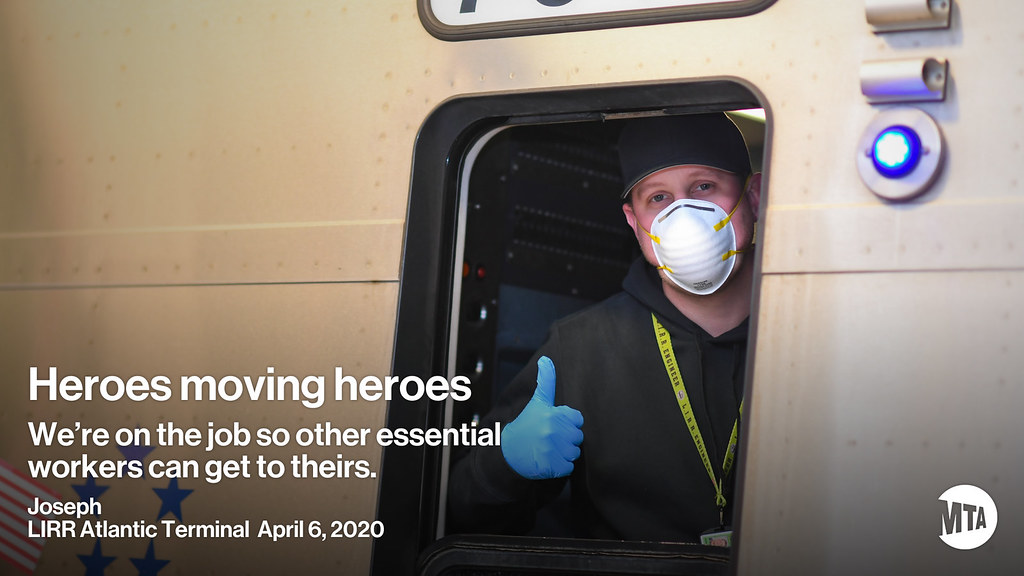

Rail workers campaign is set to launch a work-to-rule initiative on Thursday, signaling a significant shift in labor strategy.
Understanding the Rail Workers Campaign
The rail workers campaign is gaining momentum as unionized employees prepare to launch a work-to-rule strategy this Thursday. This approach involves workers adhering strictly to their job descriptions and regulations, significantly impacting the operational efficiency of rail services. By implementing this method, workers aim to draw attention to their demands for better pay and working conditions.
Key elements of the campaign include:
- Solidarity: Workers are united in their demands, ensuring that every member stands together.
- Awareness: Educating the public about the challenges faced by rail workers is vital for garnering support.
- Negotiation: Engaging with employers to reach a fair agreement is a primary goal of the campaign.
The effectiveness of the rail workers campaign will depend on the commitment of its members and the response from the rail companies.
Impact of Work-to-Rule on Rail Services
The recent work-to-rule campaign launched by unionized rail workers is set to impact rail services significantly. This strategy, where workers strictly adhere to their job descriptions, aims to highlight the importance of work conditions and the necessity for negotiations. The rail workers campaign is designed to draw attention to the ongoing disputes regarding pay and working conditions, which have remained unresolved for too long.
As a result of this campaign, passengers may experience:
- Increased delays in train schedules
- Reduced service frequency on certain routes
- Limitations on additional duties typically performed by staff
This approach not only aims to disrupt normal operations but also serves as a powerful tool for workers to advocate for their rights and improve overall service conditions.
Rail Workers Campaign: Key Objectives
The rail workers campaign has outlined several key objectives aimed at improving working conditions and negotiations with management. These objectives are crucial for fostering solidarity among workers and ensuring their voices are heard. The main goals include:
- Fair Wages: Ensuring that all rail workers receive competitive salaries that reflect their skills and contributions.
- Safe Working Conditions: Advocating for improved safety measures to protect workers on the job.
- Job Security: Fighting against layoffs and advocating for stable employment opportunities within the rail industry.
- Enhanced Benefits: Pursuing better health benefits, retirement plans, and support for workers’ families.
Through these objectives, the rail workers campaign aims to create a more equitable and supportive environment for all employees in the sector.
Recent Trends in Labor Movements
In recent months, labor movements across various sectors have gained momentum, with the rail workers campaign becoming a focal point for activism and negotiation. Unionized workers, facing stagnant wages and challenging working conditions, have adopted smart strategies to amplify their demands. This shift is characterized by a resurgence in solidarity among unions, leading to coordinated actions that highlight the importance of fair labor practices.
Key trends shaping these movements include:
- Increased union membership: Many workers are joining unions to amplify their collective voice.
- Grassroots organizing: Local initiatives are gaining traction, empowering workers at the community level.
- Use of social media: Digital platforms are instrumental in mobilizing support and spreading awareness about the rail workers campaign.
These trends indicate a promising future for labor movements, as workers seek to reclaim their rights and secure better working conditions.
By MTAPhotos via Openverse
References
Related stories