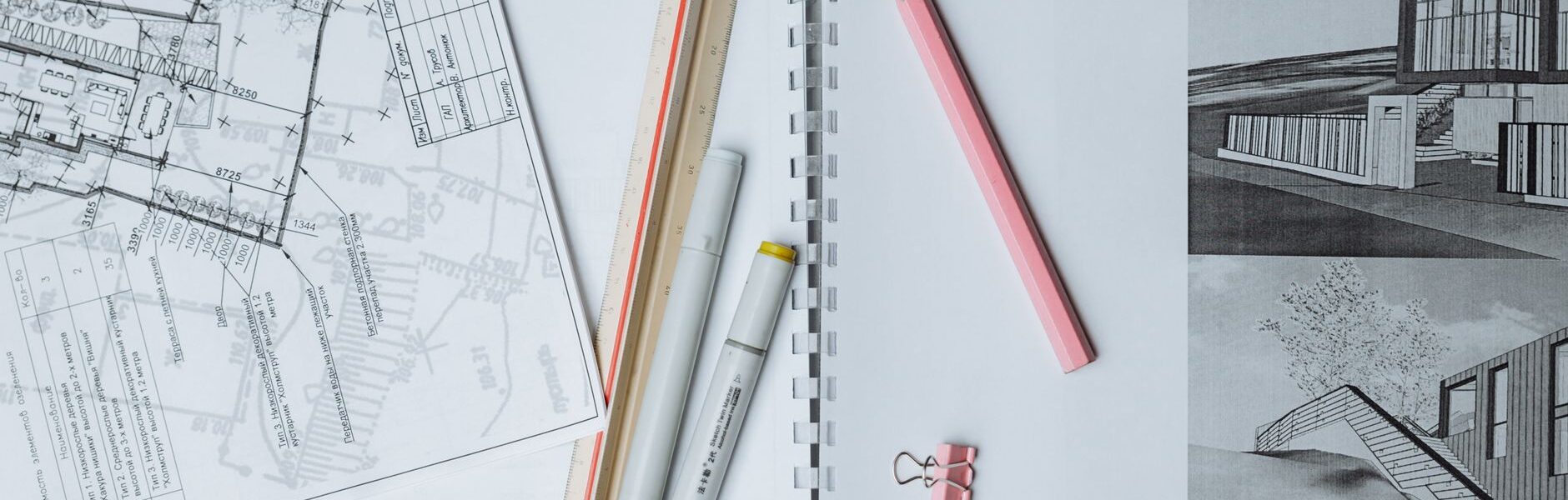

Specialized industrial facilities have become an important part of modern economic growth because different industries require infrastructure built around their unique operational demands. Manufacturing, aerospace, defense, cold storage, logistics, and data infrastructure all depend on facilities with specific capabilities. David Ebrahimzadeh takes a focused approach to industrial development by connecting property strategy with the practical needs of businesses, helping create purpose-driven facilities that can support productivity, expansion, and long-term operational success.
What’s Covered
- Why do specialized facilities matter for growing businesses?
- How can customized infrastructure support operational efficiency?
- What industries can benefit from specialized industrial development?
- How does build-to-suit development create better alignment?
- Why is flexibility important in specialized facilities?
- How does geographic strategy influence specialized development?
- What role does long-term ownership play in facility quality?
- How can specialized facilities contribute to wider industrial growth?
- Why is industry knowledge important for specialized development?
- Conclusion
Why do specialized facilities matter for growing businesses?
A standard industrial property may not provide everything a specialized company needs. Production systems, storage requirements, equipment, security considerations, temperature controls, and technology infrastructure can vary considerably between industries.
Specialized development addresses these differences from the planning stage. By considering the intended use of a facility early, developers can create environments that are better aligned with business operations and future requirements.
How can customized infrastructure support operational efficiency?
Facility design can directly influence how efficiently a company operates. Strategic layouts, appropriate loading areas, sufficient power capacity, storage arrangements, and transportation access can help businesses organize their activities effectively.
When infrastructure is designed around a company’s processes, the property becomes an active part of its operating strategy rather than simply a location for its activities.
What industries can benefit from specialized industrial development?
Several sectors increasingly depend on highly functional industrial properties. Advanced manufacturing requires facilities capable of accommodating sophisticated production systems, while aerospace and defense operations can require carefully planned infrastructure.
Cold storage depends on controlled environments, logistics companies prioritize distribution efficiency, and data infrastructure requires dependable physical systems. Designing facilities around these requirements allows industrial real estate to serve a broad range of essential industries.
How does build-to-suit development create better alignment?
Build-to-suit projects provide an opportunity to develop facilities specifically around tenant requirements. Instead of modifying an existing building, the development process can incorporate operational priorities from the beginning.
This may include specialized floor plans, equipment requirements, expansion areas, access arrangements, and infrastructure capabilities. The result is a facility closely connected to the tenant’s business model.
Why is flexibility important in specialized facilities?
Business operations can change as companies expand, adopt new technologies, or introduce new production methods. Specialized facilities therefore benefit from thoughtful planning that considers future requirements.
Flexible design can allow businesses to modify processes or increase capacity without immediately requiring a completely new location. This creates additional long-term value for both tenants and property owners.
How does geographic strategy influence specialized development?
Businesses often select locations based on supply chain access, workforce availability, customer proximity, transportation networks, and regional growth. Following these operational requirements can create opportunities to develop industrial facilities in markets where tenants can achieve meaningful advantages.
A flexible geographic strategy allows industrial development to respond to actual business demand rather than being restricted to a predetermined group of locations.
What role does long-term ownership play in facility quality?
Long-term ownership encourages a continued focus on property performance. Owners can maintain facilities carefully, respond to tenant requirements, and make improvements as operational needs evolve.
David Ebrahimzadeh NY reflects an investment philosophy where development and ownership are viewed as connected stages of a broader strategy. This perspective supports consistent attention to facility quality and long-term tenant relationships.
How can specialized facilities contribute to wider industrial growth?
Purpose-built properties can support businesses that are expanding production, improving distribution networks, or investing in advanced technologies. As these businesses grow, the facilities supporting them become important components of broader industrial ecosystems.
This creates a positive relationship between real estate development and economic activity, with specialized infrastructure helping businesses establish stronger operational foundations.
Why is industry knowledge important for specialized development?
Understanding an industry’s operating model makes it easier to recognize what a facility needs to accomplish. Knowledge of manufacturing, logistics, technology infrastructure, aerospace, defense, and other sectors can guide better development decisions.
A sector-aware approach can also help identify emerging requirements before they become widespread, supporting facilities that remain useful as markets evolve.
Conclusion
Specialized industrial facilities provide an effective foundation for businesses with complex operational requirements. Through build-to-suit development, flexible planning, strategic locations, and long-term ownership, industrial properties can become valuable contributors to business expansion. David Ebrahimzadeh demonstrates how aligning real estate development with specialized industry needs can create durable assets, stronger tenant relationships, and meaningful opportunities for continued industrial growth.
Key Points
- Specialized industrial facilities are crucial for modern economic growth as they address the unique operational demands of different industries.
- David Ebrahimzadeh emphasizes the importance of aligning property strategy with business needs to create purpose-driven industrial facilities.
- Customized infrastructure in specialized facilities can enhance operational efficiency by influencing layouts, storage, and access arrangements.
- Build-to-suit development allows for creating facilities tailored specifically to tenant requirements from the beginning of the project.
- Flexible design in specialized facilities enables businesses to adapt to changing operational needs without requiring a new location.
- Long-term ownership of specialized facilities contributes to their quality and performance, encouraging continuous improvement and tenant relationship management.