

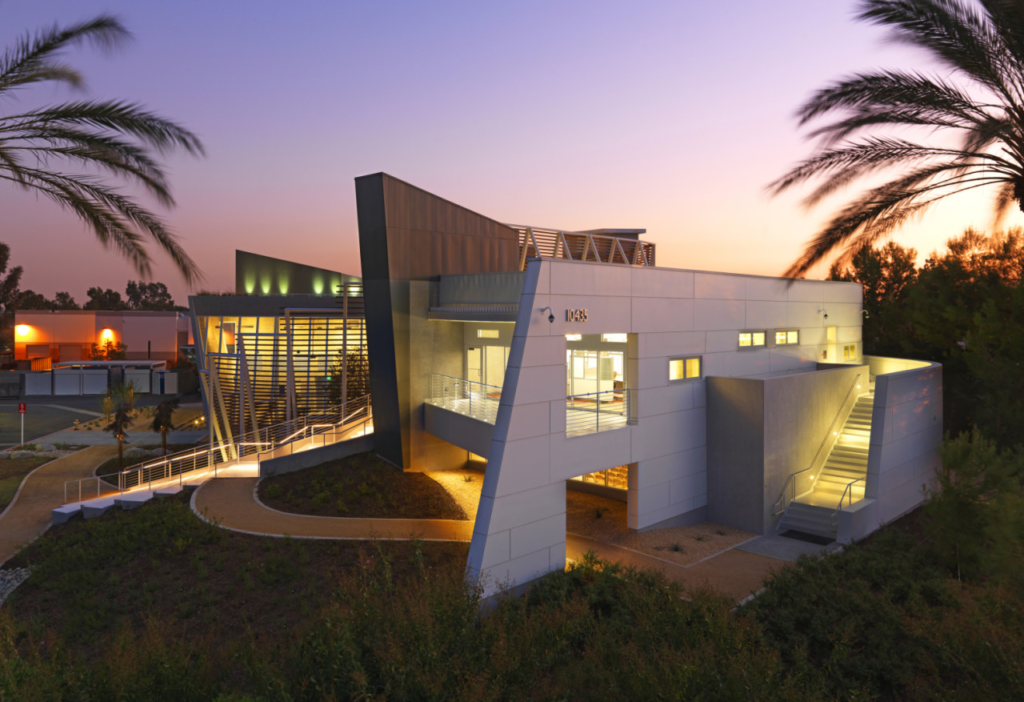
Sustainable building design is becoming a key part of modern public construction projects. Many cities and planners now focus on long-term value instead of only short-term costs. While eco-friendly choices may require more money at the start, they often lead to lower operating costs, better energy use, and healthier indoor spaces. These designs also help improve air quality and support stronger, more livable communities.
Sustainable building design in architecture means planning and building in a way that reduces harm to the environment. It looks at how a building uses energy, how it handles water, and how it fits into the land around it. It also includes choosing safe materials and smart systems that reduce waste. Today, this approach is not just optional—it is becoming the standard for new public buildings.
Key Sustainable Architecture Strategies
Passive Design for Natural Comfort
Passive design focuses on using nature to keep buildings comfortable. This includes placing buildings in the right direction to get the best sunlight and airflow. Large windows can bring in natural light, which reduces the need for electric lighting during the day. Good window placement also helps with fresh air movement.
In some places, buildings use thick walls that absorb heat during the day and release it at night. This helps keep indoor temperatures more stable without using extra energy. These simple design choices can greatly reduce power use over time.
Energy-Efficient Systems and Clean Energy Use
Modern sustainable buildings use efficient systems for heating, cooling, lighting, and water use. These systems are designed to use less energy while still keeping people comfortable. Smart heating and cooling systems adjust based on the weather and how many people are inside the building.
Many public buildings also use clean energy sources like solar power. Solar panels on rooftops can help produce electricity on-site, lowering dependence on outside power sources. When combined with passive design, these systems can reduce energy costs even more.
Eco-Friendly Materials and Natural Landscaping
Choosing the right materials is another important part of sustainable building design. Builders often use recycled steel, responsibly sourced wood, and low-impact concrete. These materials help reduce pollution during production and lower waste.
Landscaping also plays a big role. Using plants that naturally grow in the local area reduces the need for watering and maintenance. Trees can also provide shade, which helps keep buildings cooler and lowers energy use for air conditioning.
Water Management and Smart Site Planning
Water control is a major part of sustainable design. When rain falls on cities, it often runs off roads and roofs into drains, which can lead to flooding and water waste. Sustainable buildings use systems that manage this water in a better way.
Techniques like porous ground surfaces allow water to soak back into the soil. Some sites also use rain gardens or water collection areas that store and slowly release rainwater. These systems help protect the environment and reduce strain on local drainage systems.
Real Examples of Sustainable Public Buildings
Community-Focused Green Design
Many modern public buildings are designed to teach people about sustainability while also serving the community. Some community centers use solar panels, low-water plumbing fixtures, and native plants in their outdoor spaces. These features not only save resources but also help visitors understand how sustainable systems work in real life.
By combining education with design, these buildings encourage people to think more about how energy and water are used in everyday life.
Smart Design for Light, Air, and Comfort
Some advanced public buildings are designed to bring in more natural light through open spaces like atriums. Glass walls and open layouts help sunlight reach deeper into the building. This reduces the need for artificial lighting during the day.
Other designs include special wall systems that reduce heat from the outside while keeping indoor spaces bright and comfortable. Airflow systems are also carefully planned to improve ventilation and reduce the need for heavy air conditioning.
Conclusion
Sustainable building design is an important step toward better cities and healthier communities. By using smart planning, energy-efficient systems, eco-friendly materials, and natural solutions, public buildings can reduce their environmental impact while improving comfort and saving money over time. As more projects adopt these ideas, sustainable design will continue to shape a cleaner and more responsible future.


