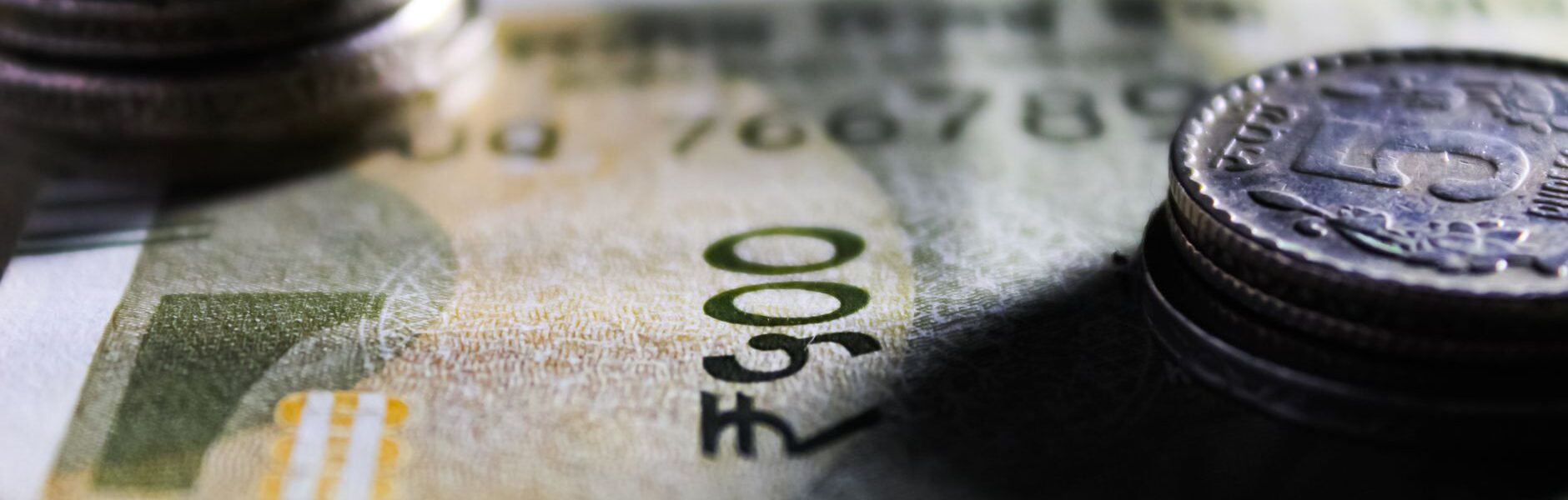

The Indian rupee six-month high reflects a significant change in market dynamics as foreign inflows return, prompting investors to reevaluate their strategies.
Understanding the Indian Rupee’s Rise
The Indian rupee has recently reached a six-month high, marking a significant shift in the currency’s performance. This rise is attributed to a combination of factors that have positively influenced investor sentiment and capital flows into the country.
One of the primary reasons for this upsurge is the return of foreign investments, which have been steadily increasing as global investors seek opportunities in emerging markets. Analysts suggest that the Indian economy’s resilience, coupled with a favorable regulatory environment, has made it an attractive destination for foreign capital.
Moreover, as investors turn away from AI-heavy markets, they are looking for more stable investments, and India’s diverse economy offers a promising alternative. This shift in focus has contributed to the appreciation of the Indian rupee against major currencies.
However, it is essential to consider the broader economic landscape when evaluating the implications of the Indian rupee’s rise. Some key factors to keep in mind include:
- Inflation Rates: How inflation trends may affect purchasing power.
- Global Economic Conditions: The influence of international markets on local investments.
- Monetary Policy: The Reserve Bank of India’s stance on interest rates and currency management.
With the Indian rupee at a six-month high, many investors are contemplating whether it is the right moment to invest in the Indian market.
Impact of Foreign Inflows on the Market
The recent rise of the Indian rupee to a six-month high has significant implications for the market, particularly regarding foreign inflows. As the rupee strengthens, it signals positive sentiment among global investors who are increasingly looking to invest in India.
One of the primary factors contributing to this influx is the shift in investment strategies. Many investors are turning away from AI-heavy markets, seeking more stable opportunities in emerging economies like India. This shift has been driven by:
- Improved Economic Indicators: India’s economic stability, reflected in various metrics, has made it an attractive destination for foreign capital.
- Favorable Government Policies: Recent government initiatives aimed at boosting foreign direct investment (FDI) have further enhanced investor confidence.
- Rising Corporate Earnings: Positive earnings reports from Indian companies are encouraging foreign investors to allocate more funds to Indian markets.
As these foreign inflows continue, they not only bolster the rupee’s strength but also create a ripple effect across various sectors. Increased liquidity in the market can lead to higher stock prices and improved corporate performance, making it an opportune time for investors to consider their positions.
With the Indian rupee at a six-month high, many investors are now weighing their options, contemplating whether this is the best time to invest in the Indian market.
Investors Shift Away from AI Stocks
As the Indian rupee reaches a six-month high, a noticeable shift in investor sentiment is emerging. Many are turning away from AI-heavy stocks in favor of more traditional investment avenues, driven by concerns over the volatility associated with technology shares. This trend is becoming increasingly apparent as foreign inflows continue to bolster the currency’s strength.
Investors are reassessing their portfolios, seeking stability amidst the uncertainties in the tech sector. Several factors are contributing to this shift:
- Market Volatility: The rapid fluctuations in AI stocks have left many investors wary, prompting a search for safer investment options.
- Attractive Valuations: With the Indian rupee at a six-month high, equities in sectors such as consumer goods, pharmaceuticals, and infrastructure are becoming more appealing.
- Global Economic Factors: Rising interest rates and inflation concerns in developed markets are leading investors to reconsider their strategies, often favoring emerging markets like India.
As a result, traditional sectors are seeing renewed interest, and analysts are suggesting that this could be a pivotal moment for those looking to invest. The current climate may present a unique opportunity for investors to capitalize on the Indian rupee’s strength while diversifying their portfolios away from the volatility of AI stocks.
Future Outlook for the Indian Rupee
The recent surge of the Indian rupee to a six-month high has left many analysts pondering the future outlook for the currency. As foreign inflows continue to bolster its strength, several factors could influence its trajectory in the coming months.
Firstly, the global economic landscape plays a crucial role. With increasing interest rates in developed economies, particularly the United States, there is potential for fluctuating capital flows. Investors are closely monitoring how this may affect the rupee’s stability.
Secondly, domestic economic indicators are pivotal. The performance of India’s GDP, inflation rates, and trade balance will significantly impact the rupee’s strength. A robust economic outlook could encourage further investments, thereby reinforcing the currency’s position.
Moreover, geopolitical tensions and their influence on oil prices could also sway the rupee. India, being a major oil importer, may see the rupee’s value fluctuate based on global oil market dynamics.
Lastly, the sentiments of retail and institutional investors are shifting. As interest moves away from AI-heavy stocks, there is an opportunity for investment in sectors that may benefit from a strong rupee. This could lead to a more diversified investment strategy.
In conclusion, while the Indian rupee’s six-month high presents a favorable scenario, investors should remain cautious and consider the various factors that could shape its future.
The recent Indian rupee six-month high has sparked interest among investors looking for favorable opportunities. With the currency reaching this milestone, many are questioning whether now is the best time to invest.
Photo by Ravi Roshan on Pexels
Read the original
You might also like