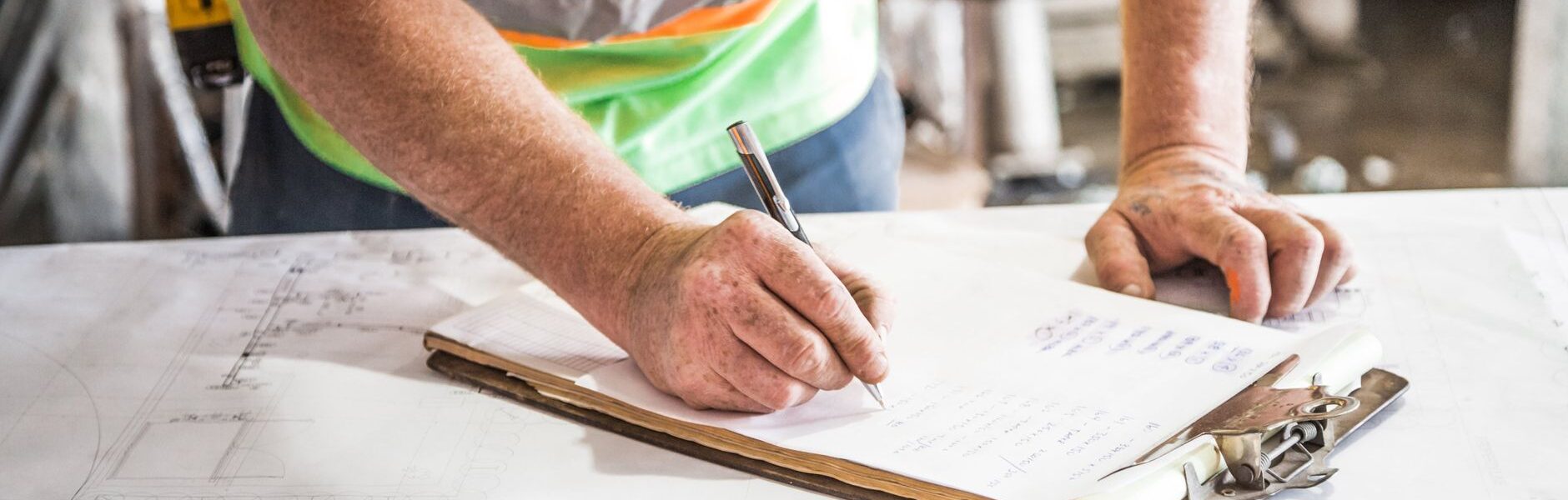

The construction sector depends on skilled professionals who can coordinate people, materials, schedules, safety requirements, and technical plans from the earliest preparation stage to final completion. For candidates exploring Construction manager jobs (bauleiter jobs), the role offers an opportunity to combine practical construction knowledge with organization, leadership, and decision-making. As building projects become more structured and demanding, qualified site managers continue to play an important role in maintaining smooth project execution and consistent quality.
What’s Covered
- What Does a Construction Manager Do?
- Why Is This Role Important?
- Skills Employers Commonly Look For
- Career Development in Construction Management
- What Makes a Strong Candidate?
- Industry Trends and Future Opportunities
- Final Thoughts
What Does a Construction Manager Do?
A construction manager oversees the daily progress of a building project and ensures that planned activities are carried out correctly. The position connects architects, engineers, tradespeople, suppliers, property owners, and other project participants.
Typical responsibilities include reviewing construction plans, coordinating site activities, monitoring workmanship, managing schedules, and identifying potential issues before they affect progress. Effective managers also maintain clear documentation and ensure that workers understand project requirements.
Why Is This Role Important?
Construction projects involve many connected activities. A delay in one area can influence several later stages, while poor coordination may create unnecessary rework. Construction managers help reduce these risks by maintaining communication between different teams.
Professional site leadership also contributes to workplace safety. Managers are expected to recognize hazards, support established safety procedures, and encourage responsible working practices. Their presence helps create a structured environment where construction teams can focus on completing their responsibilities effectively.
Skills Employers Commonly Look For
The requirements for construction management positions can vary according to the project, employer, and level of responsibility. However, several skills remain valuable across the industry.
Strong organizational ability is essential because managers often handle multiple tasks at the same time. Communication skills are equally important because information must move accurately between office teams and workers on site.
Technical understanding is another significant factor. Knowledge of construction methods, materials, drawings, regulations, and quality requirements enables managers to make informed decisions. Leadership, problem-solving, adaptability, and attention to detail further support successful project coordination.
Digital skills are also becoming increasingly relevant. Construction companies may use scheduling platforms, digital documentation systems, project management software, and other technologies to improve planning and communication.
Career Development in Construction Management
Construction management can provide a structured professional pathway for individuals who want to develop long-term careers in the building industry. Experience gained on different projects can strengthen practical knowledge and increase responsibility over time.
Professionals may begin with site-based responsibilities and gradually move toward larger coordination roles. Experience with residential, commercial, industrial, or infrastructure projects can broaden understanding of different construction environments.
Continuous learning remains important because building practices, sustainability requirements, workplace standards, and digital tools continue to evolve. Professionals who regularly improve their technical and management skills can remain better prepared for changing industry expectations.
What Makes a Strong Candidate?
Employers generally value candidates who demonstrate reliability, practical understanding, and the ability to keep projects organized. A strong candidate should be comfortable working with different personalities and responding calmly when unexpected problems arise.
Attention to documentation is also important. Accurate records can help track project progress, clarify responsibilities, and support communication between stakeholders. A professional approach to reporting and planning can therefore contribute significantly to project efficiency.
Industry Trends and Future Opportunities
Construction is increasingly influenced by sustainability, digital planning, energy efficiency, and improved building processes. These developments are changing how projects are designed, coordinated, monitored, and completed.
As construction practices become more integrated, managers are expected to understand both traditional site operations and modern project technologies. This combination creates opportunities for professionals who are willing to expand their expertise.
The demand for organized construction leadership is also connected to the continuing need for housing, commercial spaces, infrastructure, renovation, and modernization projects. These areas create varied career possibilities for people with suitable qualifications and practical experience.
Final Thoughts
Construction management combines technical knowledge, leadership, communication, and planning in a single professional role. The work can be demanding, but it also provides opportunities to influence projects from planning through completion. Candidates who develop strong organizational habits, technical expertise, safety awareness, and communication skills can build a solid foundation for a rewarding career in the construction sector.
Key Points
- Construction managers are essential for coordinating various stakeholders, ensuring smooth project execution and quality delivery.
- Key responsibilities of a construction manager include monitoring progress, managing schedules, and identifying potential project issues.
- Effective communication and strong organizational skills are critical for success in construction management roles.
- Sustainability, digital planning, and energy efficiency are shaping current trends in the construction industry.
- Continuous learning and experience across different types of construction projects can significantly enhance career development in construction management.
- Employers value candidates who demonstrate reliability, practical understanding, and meticulous documentation skills.